
“Sweet are the uses of adversity,
Which, like the toad, ugly and venomous,
Wears yet a precious jewel in his head;
And this our life, exempt from public haunt,
Find tongues in trees, books in the running brooks,
Sermons in stones, and good in everything.”
— William Shakespeare, “As You Like It”
Arizona students led the nation in improvement on NAEP between 2009 and 2015. During this period, Arizona students uniquely made statistically significant improvements on all six NAEP exams (fourth and eighth grade reading, mathematics and science). When your author stumbled upon the Stanford Educational Opportunity Project data, it found that Arizona students had the fastest rate of academic growth between 2008 and 2018. This improvement did not last, but it may be coming back.
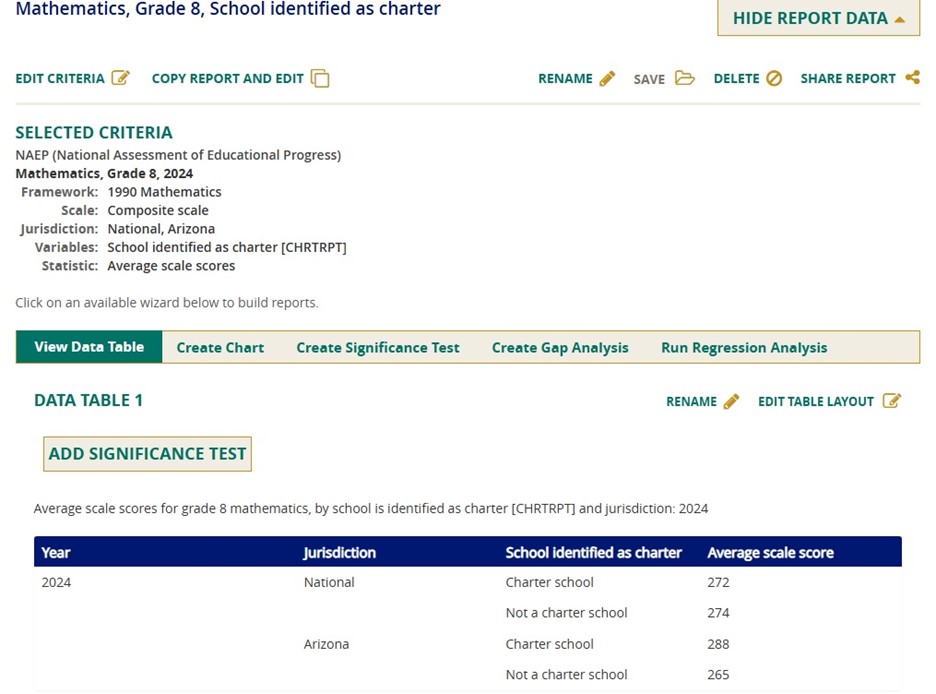
Fast forward from these happy times to the 2024 NAEP and the improvement era is looking like a lost golden age. While Arizona’s charter schools show clear signs of academic recovery, Arizona’s school districts are a hot mess. For example, in eighth grade math the average Arizona charter student was comfortably a grade level ahead of the national average for district students, whereas Arizona district students were embarrassingly a grade level behind the average for district students, and approximately two grade levels behind Arizona charter students:
Oooof. What happened?
Well one can never be certain about the relationships between policy and outcomes, but here is your humble author’s working theory. First off, Arizona’s top-down accountability system is a joke. We grade schools A-F, but the formula makes no sense and hands out approximately 120 “A” grades for every “F” grade. Our lawmakers also passed a third grade retention law years ago, but the Arizona State Board of Education has seen to it that effectively no one gets retained. “Accountability” of the testing sort is approximately as firm as a soft-serve ice cream cone that has been sitting out in the Phoenix heat.
It is not as though it used to make sense/have some firmness to it: these policies have sadly never been either firm and/or made much sense, best I can tell. It used to not matter, however, because choice served as the de-facto accountability system.
During the 2009-2015 period, Arizona charter school enrollment surged as high-demand operators were able to access inexpensive property during the Great Recession. Arizona lawmakers expanded the state’s scholarship tax credit programs, and then created the nation’s first ESA program, which started small but steadily grew.
All of this triggered a virtuous cycle during the housing bust aftermath. High demand districts, even fancy ones like Scottsdale Unified, became increasingly open to and aggressive about open enrollment. Open enrollment remains the largest form of choice in Arizona. The financial impact of students transferring between schools and districts mirrors that of other forms of choice, with the state funding following the child. The ready availability of seats in high demand districts spurred a positive feedback loop into the charter school sector whereby high demand charter schools replicated and expanded, but low demand charter schools closed. Not many district schools closed, but many felt the pinch of lowering enrollment. Statewide academic achievement, as noted above, surged; the uses of our Great Recession induced adversity proved to be sweet.
So, what went wrong during the COVID-19 adversity? Basically, the influx of federal COVID relief funding turned off competitive effects, which left us solely reliant on our top-down accountability system, which is ineffectual to say the least.
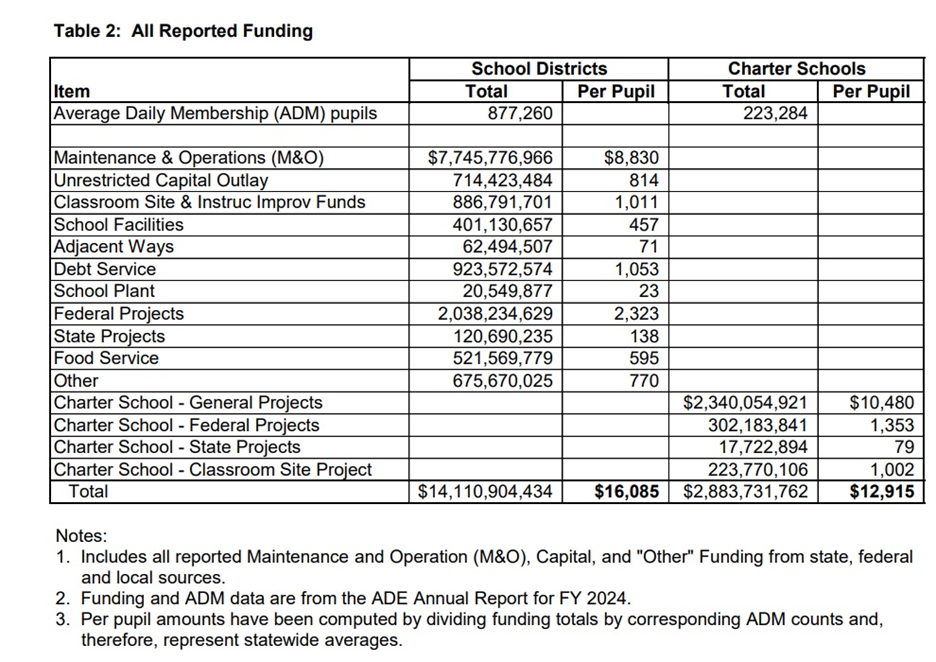
Why did competitive effects go away? Between the 2019-20 school year and the 2022-23 school year, Arizona school district enrollment dropped by 5%. Arizona school district total revenue, however, increased by 36 percent (see page 3). Arizona school districts received more money to (mis)educate fewer students — not exactly a recipe for competitive pressure. Quite the opposite, actually. Arizona charters meanwhile get less money per pupil, and unlike Arizona districts, show signs of recovery in the NAEP:
Can Arizona regain the lost mojo? Possibly. The federal funny money is washing out of the system, meaning that competitive pressure will return. The advent of the Baby Bust in 2008 means that there are fewer students to go around despite the state’s growing overall population. Arizona has some very talented and competitive people working in school districts, and the competition knob is about to get turned to “11.”
Stay tuned to this channel to see what happens next.

Australian defense economist/YouTube PowerPoint superstar Perun has provided another insightful video which is must-see viewing for anyone seeking to understand politics.
US Navy Procurement Disasters - The Littoral Combat Ship and Zumwalt Class Destroyer is a cautionary tale for anyone seeking to expand the role of politics in life and should be mandatory viewing, full “Clockwork Orange” style if necessary, for anyone seeking any office.
Given that the runtime lasts over an hour, I’ll do my best to summarize. At some point, Navy wargamers discovered that a scenario closely resembling “Iran attempts to close the Persian Gulf in part by using shore-based missiles and drones” proved very difficult for players controlling the U.S. Navy. Think of all the problems the already obsolete HIMARS systems gave the Russian army in Ukraine, but apply those “shoot and scoot” tactics to ships.
The Navy brass decided they needed a new type of warship to counter such a threat: the Littoral Combat Ship (LCS). It needed to be fast, stealthy, and multifunctional. That last part drew inspiration from modular ships in the Danish navy. In this context, the idea developed into modules that could be put on/off the ship to expand the capacity to fight shore-based opponents, sweep sea mines, or combat submarines. 
Okay, so the disaster begins to unfold when the Navy does not settle on a single design but instead on two designs. From an operational standpoint, this made absolutely no sense, complicating a whole suite of requirements to train crews and repair ships. However, it made all the sense in the world in one important way: politics. By adopting two different ship designs, you made many members of Congress happy.
This disaster is just getting started, however. Both ship designs have serious problems. One of them had a super advanced propulsion system, but it is delicate and requires specialized contractors to repair it. The other ship's design had a problem keeping water out.
Next up, while modules might be a great idea for the Danish navy, the Danish navy rarely sails very far from Denmark. This is not the case for the U.S. Navy, which sails around the globe. If the modules are to be very useful, you need to be able to change them out, which means they must be proximate to wherever you are going to use them. When the Navy wargamer nerds played subsequent games of Navy Dungeons and Dragons, the nerds playing the opponents put the destruction of modules sitting onshore somewhere near the top of their to-do list. Hopefully, you like the module you are using now; you won’t be making any changes anytime soon.
These ships were such a disaster that the Navy tried to retire one of them only five years after it was commissioned. I say “tried” because you’ll be shocked to hear that politics intervened again, as Congress did not want the ships retired.
A scenario very similar to the original wargame broke out in the Red Sea last year courtesy of the Houthis. The U.S. Navy did not send forth the mighty LCS to combat the Houthis’ shore-based missile and drone attacks on commercial shipping, preferring to use, you know, functional warships. Unable to retire these duds, the Navy has decided to pop the minesweeper module on them and use them to replace aging minesweepers. Without a doubt, these are the most catastrophically expensive minesweepers produced in human history.
My telepathic powers inform me that some of you dear readers are wondering what any of this has to do with K-12 education. Thanks for asking! Running a public school system, just like procuring new ships for the Navy, is a political process. Politics can (sometimes, hopefully) involve reason and logic, but far more often it runs on the self-interests of lobby groups and politicians. Deciding to order two deeply flawed ships instead of zero made no sense if you wanted to fight and win a war, but it made perfect sense in serving the interests of the players in this political game. Lucky you; you get to pay the bill.
Politics gifted us with costly minesweepers with overpowered and delicate propulsion systems or issues with floating. Likewise, politics has straddled the United States with one of the most costly and ineffective school systems in the world. When it comes to the education of your children and grandchildren, politics is not a game you want to play.
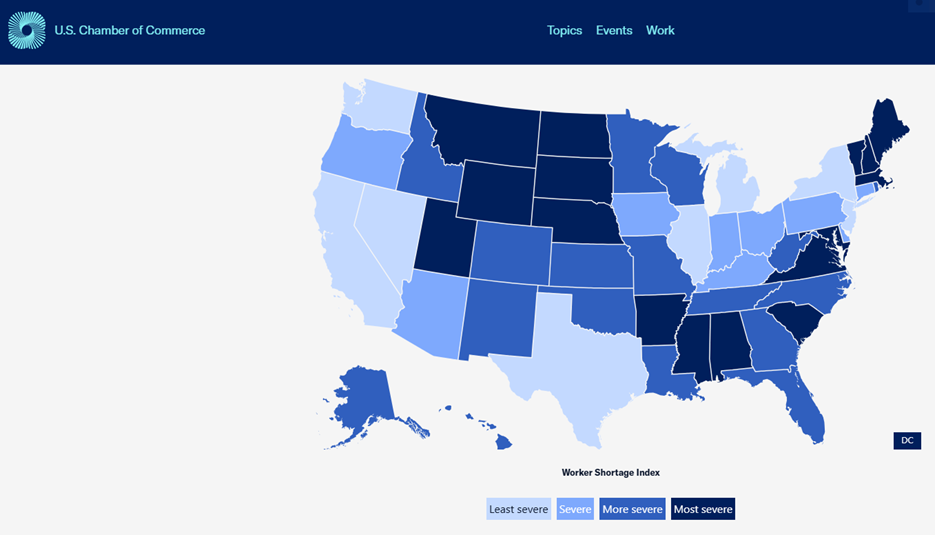
Using data from the Bureau of Labor Statistics, the U.S. Chamber of Commerce has calculated a worker shortage index for each state, calculating the ratio of people looking for work compared to the number of open positions. Florida, for example, has 53 people looking for work for every 100 open positions, making a worker shortage index of .53. The states with the most severe shortages stood at .36. Large structural changes are driving the shortage of workers, and they have implications for the future of the public education system.
Half of America’s 73 million strong Baby Boom generation reached the age of 65 in (editor’s note **gulp**) 2022. For the remainder of this decade, an average of 10,000 more baby boomers will reach the age of 65 daily until 2030, when all surviving boomers will be 65 or older. As the boomers exit stage left, a small Baby Bust generation began to enter the workforce as 16-year-olds in 2024. This generation had social media unleashed on them and then had their education disrupted by the COVID-19 pandemic.
Next, there is the demand for American labor to consider; it is up. A “re-shoring” of multiple industries began more than a decade ago due in large part to the shale-oil revolution producing the world’s lowest prices for natural gas. Citibank noted that natural gas now costs three to four times more in Europe than it does in the United States, thanks to the U.S. domestic shale gas boom.
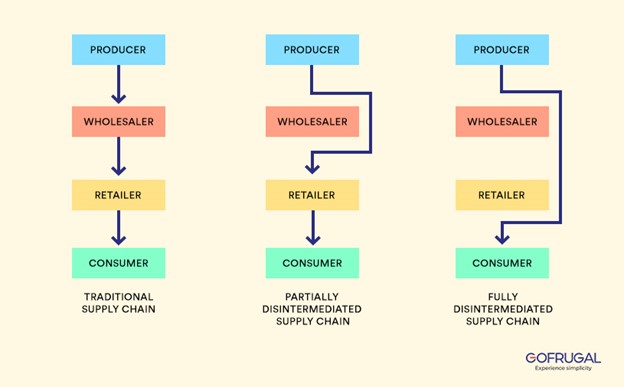
The COVID-19 pandemic reinforced this trend. Companies are now seeking to insulate supply chains from political risk and cut time to market and respond to foreign wage inflation. Deloitte reported the results of a survey of 350 corporate presidents in 2022:
Transportation executives whose companies have begun preparing for nearshoring anticipate 20% of Asia-originating freight will move to closer-proximity markets by 2025…doubling to 40% of freight originations by 2030. Manufacturers’ expectations are similar, and 62% of them have begun this process already. Survey respondents expect agriculture, apparel, and consumer electronics to see supply lines being reconfigured the most.
So, summing up the story thus far, the demand for American labor is growing, but the supply is shrinking. Now recall the fall of 2021: Schools began to reopen; kids around the country went out to the school bus stop and…no one picked them up. Governors in multiple states called the National Guard to drive school buses. The causes for this occurred gradually and then suddenly.
The gradual part was an increased demand for drivers with a commercial driver’s license. Amazon and many other firms increased the demand for people with the same license required to drive a bus. School districts increasingly relied upon CDL holders who were not in the market for full-time work. The all of a sudden part of the story came when this universe of mostly older drivers did not feel eager to get on a bus with kids throwing their COVID masks at each other.
Districts were eventually able to find new drivers, and the National Guard tour of duties driving school buses ended. In the future, the CDL crisis of 2021 may be viewed as a suggestive bit of foreshadowing. The demand for American labor is increasing; the supply is decreasing, and the demand for public health care spending from those retiring Boomers will be in direct competition with education spending. Our Washington Olympians could try to fire up the money printing again to preserve as much status quo as possible, but we now have first-hand experience with the inflationary cost.
America’s public school system failed to meaningfully improve outcomes during multiple decades of steady increases in per-pupil spending above and beyond inflation. Is it possible they will do better during a period of heightened competition for public dollars and competition for labor?
Many human activities have become simultaneously less expensive and higher quality; it happens all the time. Public education, however, finds itself subject to a complex web of multi-jurisdictional red tape ensnaring a baseline district governance model highly vulnerable to regulatory capture. It’s not exactly the ideal circumstances for producing innovation or success.
Going forward, this politicized mess will have to increasingly compete with the elderly for public dollars and with a starved American labor market for workers. Not surprisingly a growing number of American families have decided to make alternate plans.

Recently, because this is the sort of thing your friendly neighborhood school choice mad scientist likes to do, I examined the Arizona Superintendent of Public Instruction annual reports. Stick with me; this will be more interesting than you might suspect. So, if you go back to the 1994-95 report (the last year before any charter schools or district open enrollment) and go to page 273 you find that the Arizona school system spent almost $1.3 billion on teacher salaries, on a total spend of $3.5 billion. In other words, 37% of Arizona’s K-12 investment went to teacher salaries.
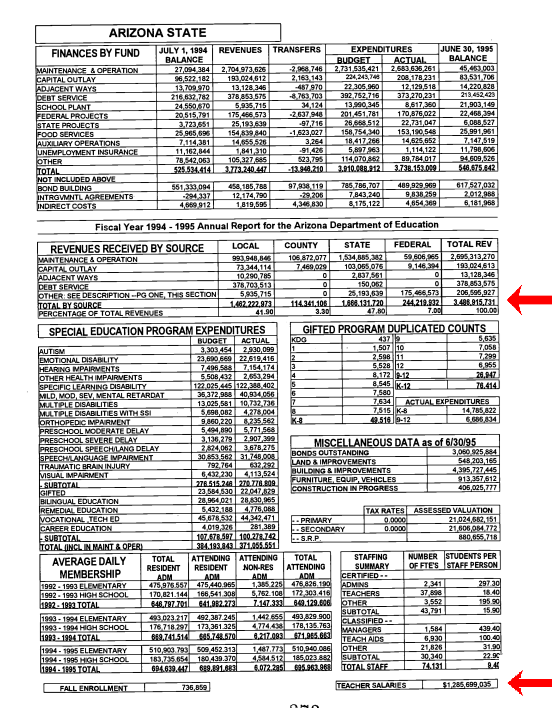
The latest edition of this same report keeps districts and charter schools separate for these calculations. In 2022-23 (see page I-253) Arizona’s total spend on school districts had increased to $13.2 billion, and the line item for district teacher salaries stood at $3.2 billion. Teacher salaries had dropped from 37% of the total spend to 25%. Dividing the total district teacher salary by the number of teachers and then adjusting for inflation revealed that the average teacher salary remained essentially flat in real terms over the 30 years.
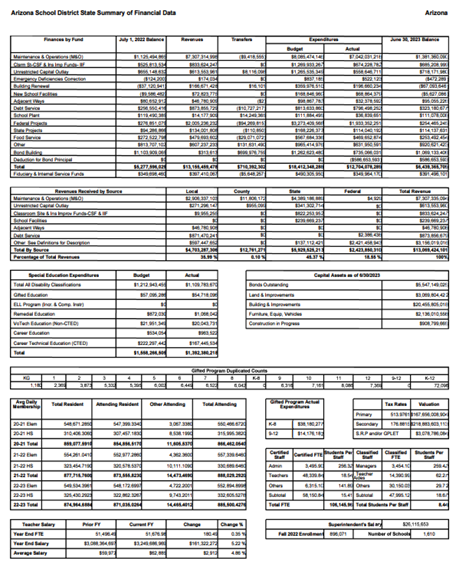
That might seem odd at first. Arizona more than doubled the investment in school districts after accounting for inflation but somehow managed to prioritize every other type of spending except teacher salaries. How does this fit with the notion that school districts have been politically captured by teachers unions?
This puzzle is not overly difficult to solve. “Teachers unions” are actually “district employee unions,” and district employee unions can maximize their dues revenue by maximizing the employment of non-teachers. If for example you can hire two non-teachers for the same cost as hiring a single teacher, you can potentially double your dues revenue. The same reports cited above show that Arizona’s district system somehow soldiered on with one non-teacher employee per 19 students in 1994-95, but that had dropped to one per 15 students in 2022-23.
If in fact Arizona’s school districts spent 37% of their revenue on teacher salaries in 2022-23, it would have pushed the average annual teacher salary over $100,000. This could have been achieved without changing student-teacher ratios and would have left 63% of revenue to spend on everything else.
Other factors are at play as well; districts constructing buildings to the 21st century nowhere, etc. Chubb and Moe instructed us back in 1990 that the central problem in K-12 education is politics, a lesson that we seem prone to forget. The K-12 system isn’t just broken. Rather it is broken on purpose, and teachers have been hugely shortchanged in the process. Fortunately, the development of a solution is underway, and choice is key:
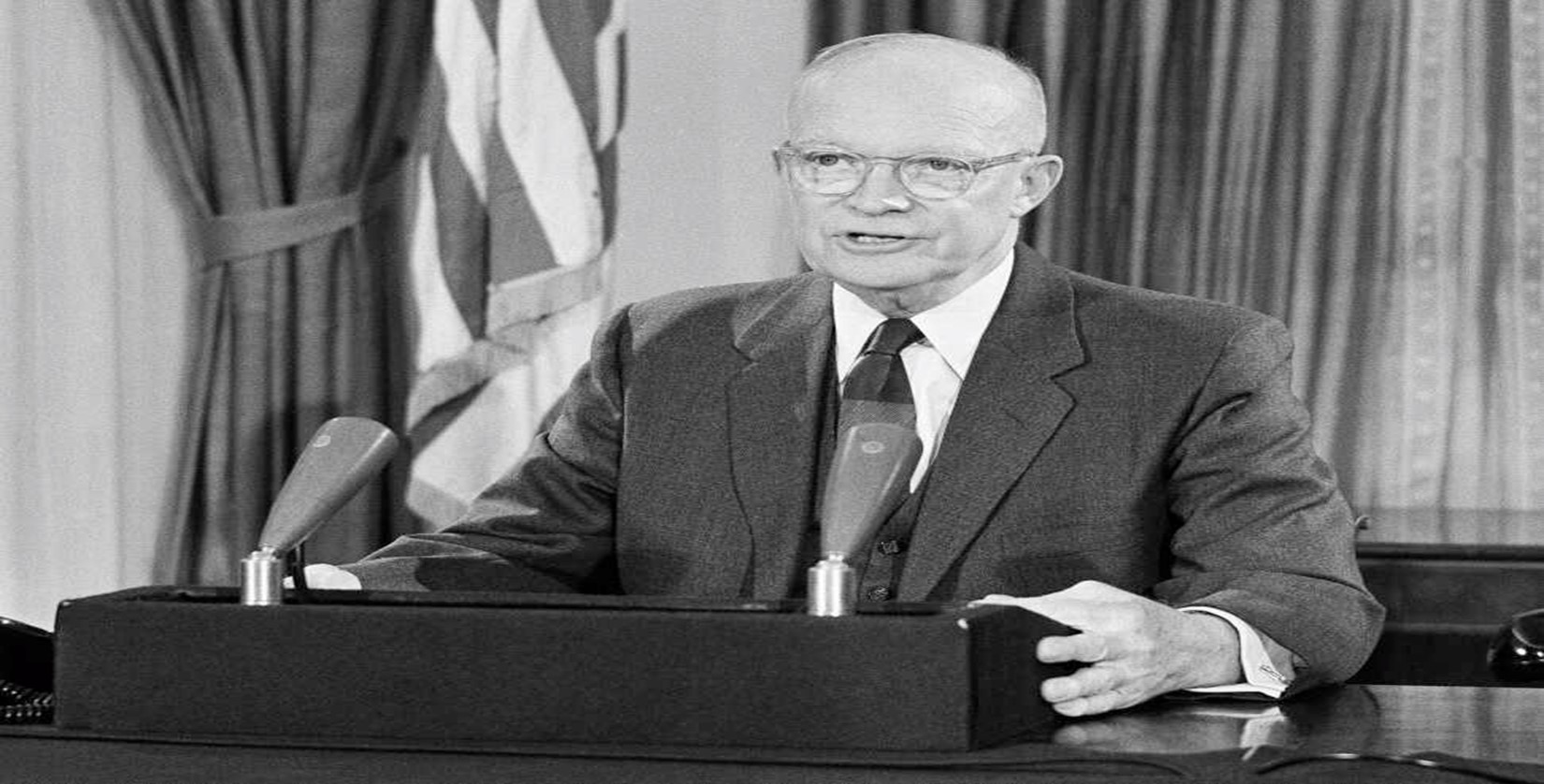
On Jan.17, 1961, President Dwight D. Eisenhower delivered a 10-minute farewell address after having served his nation as president. He had interesting things to say, such as:
As we peer into society's future, we – you and I, and our government – must avoid the impulse to live only for today, plundering for our own ease and convenience the precious resources of tomorrow. We cannot mortgage the material assets of our grandchildren without risking the loss also of their political and spiritual heritage. We want democracy to survive for all generations to come, not to become the insolvent phantom of tomorrow.
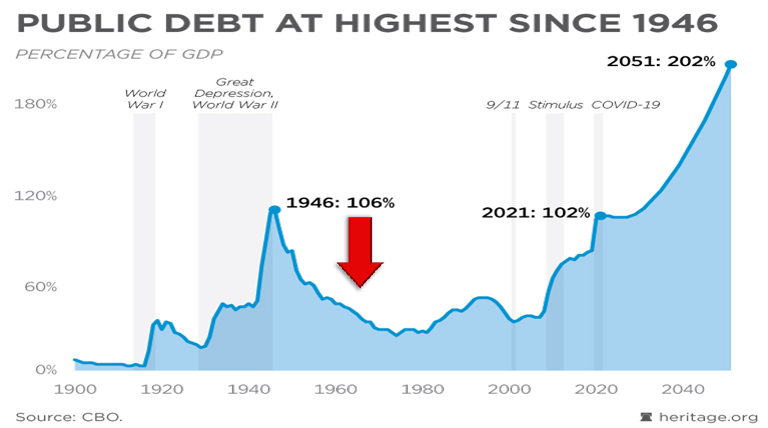
How is the whole not plundering the precious resources of tomorrow thing going for us? Not well lately (red arrow designates the end of the Eisenhower administration).
In this same address, Eisenhower famously warned us about the “Military Industrial Complex.” Having served as supreme commander of Allied Forces in Europe during World War II in addition
to the nation’s 34th president, Eisenhower’s warning received and continues to receive grave consideration:
This conjunction of an immense military establishment and a large arms industry is new in the American experience. . .Yet we must not fail to comprehend its grave implications. . . In the councils of government, we must guard against the acquisition of unwarranted influence, whether sought or unsought, by the military-industrial complex. The potential for the disastrous rise of misplaced power exists and will persist.
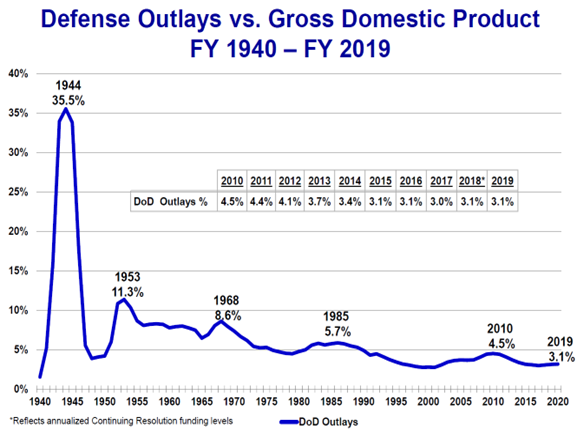
Luckily, military spending did not spiral out of control. American military spending as a percentage of GDP declined over time. The United States won the Cold War, managed to successfully close a huge number of unnecessary military bases (not the sort of thing an overly powerful Military Industrial Complex would like to see). The United States may have had a “Military Industrial Complex” problem to manage, but it managed it successfully.
We’ve yet to successfully manage our school District Lobbying Complex.
Part of the challenge of the Military Industrial Complex was that defense contractors (quite deliberately) spread facilities widely across congressional districts. Military bases likewise were ubiquitous. The Phoenix area for instance once hosted two Air Force bases, with another less than a couple of hours drive away in Tucson. Austin and San Antonio, Texas, each had Air Force bases. Obviously once the world went all Red Dawn and we lost the bases in Tucson and San Antonio, our forces would regroup in Phoenix and Austin or…something (?)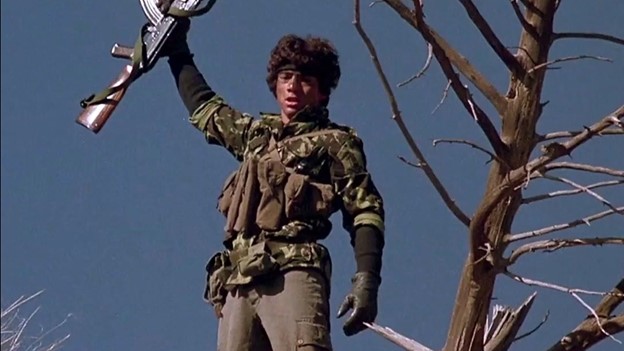
Such things may not have made a lot of sense from a national security standpoint, but they were great from the standpoint of politics. School districts likewise have amassed an abundance of underused facilities. Keeping them around makes little utilitarian sense, but the District Lobbying Complex is not eager to give them up for political reasons.
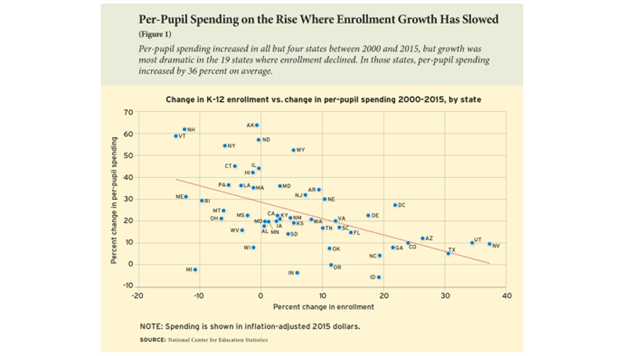
In recent decades the states with declining or slow K-12 enrollment growth have had the largest increases in per pupil spending. That has been quite a feat for what we can only half-jokingly call the District Lobbying Complex, but it seems unlikely to be sustained. Like the Military Industrial Complex, the district system is spread far and wide across the country, and the education unions have been ranked as among the most powerful state level special interest group.
The federal government provides about 35% of the average state’s budget and has tested the outer limits of fiscal insanity with a determined vigor (see first chart above). How long they will be able to keep this up remains unknown but put me down for “less than forever.”
Like the Military Industrial Complex, the District Lobbying Complex may prove to have already peaked. The period in which states could turn up the per pupil spending knob despite declining enrollments coincided with and was enabled by America’s massive Baby Boom generation being in their prime earning years. The average Baby Boomer turned 65 in 2022. Any guesses on where their spending priorities will lie in a competition between their health care and retirement programs and K-12? American families, in increasing numbers, are hitting the exits for districts in search of better opportunities. And then there is the baby bust that began decades ago to consider.
The rise of district employee unions certainly squared with Eisenhower’s “disastrous rise of misplaced power.” This power, however, has gone into an inexorable decline.

The Reason Foundation released a new study called Public Education at a Crossroads: A Comprehensive Look at K-12 Resources and Outcomes for All 50 States.
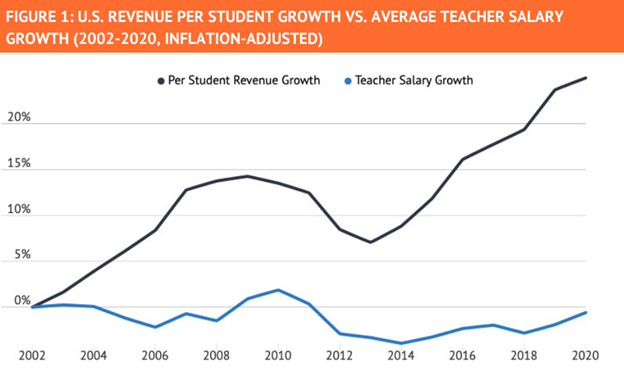
Nationwide data from 2002 to 2020 show that inflation-adjusted public-school revenues grew by 25%, going from $12,852 per student to $16,065 per student. During this time, teachers’ average real salaries decreased by 0.6%, going from $64,522 to $64,133. Despite student enrollment increasing by 6.6%, total public-school staff grew by 13.2%. Much of this can be attributed to growth in non-teaching staff, which increased by 20% across states. Additionally, real spending on employee benefits increased by 78.6% (or $1,499 per student), accounting for nearly half of the per student increase in funding.
Despite this massive increase in spending per pupil, teacher salaries declined over recent decades:
How, you might be thinking to yourself right about now, is it even possible to have average teacher salaries decline while spending per pupil increased by so much? The Reason Foundation authors helpfully explain that a massive increase in non-teaching staff in public schools is partially to blame:
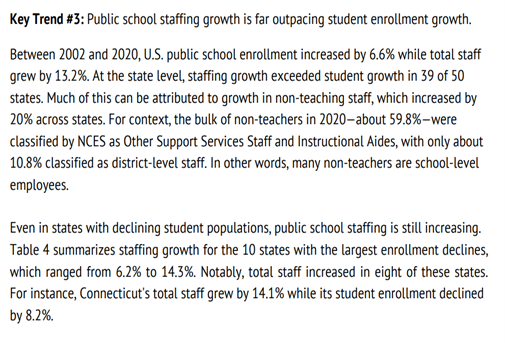
Whatever it is that all those non-teaching staff are doing, it sadly doesn’t seem to have much to do with student learning:
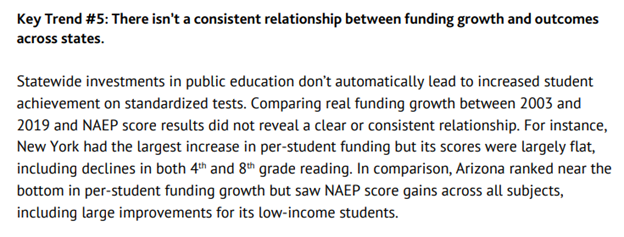
Read the whole Reason study here, and if you are looking for a silver lining it may lie in the expression that things that cannot go on forever don’t.
In 2005, the Alaskan Congressional delegation created a national controversy when they attempted to secure $398,000,000 to build a bridge to an island with 50 inhabitants. Known as “the Bridge to Nowhere” this effort lingered on until Congress finally halted it in 2011. The islanders continued to make do with a ferry. Arizona school districts, however, already full of vacant space, are determined to make Alaskan Congressional pork look reasonable by comparison in building schools to nowhere.
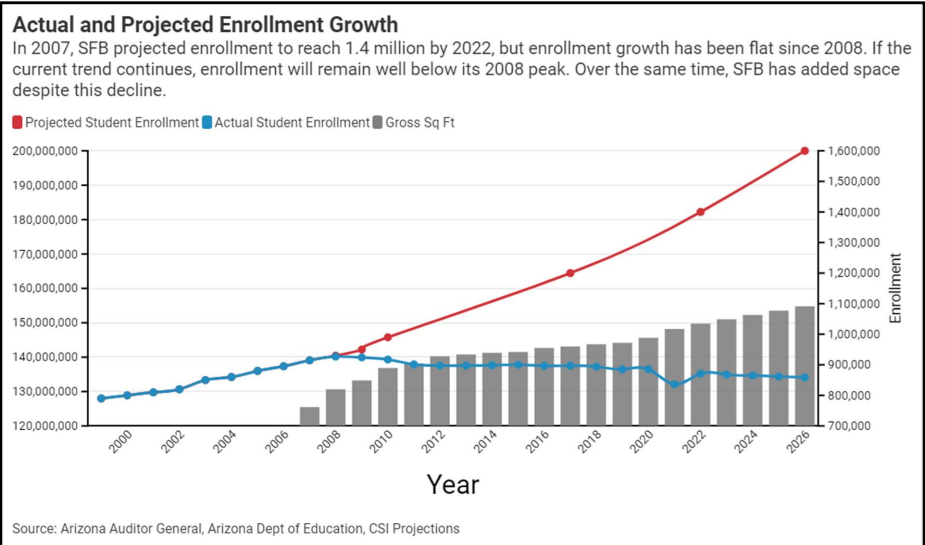
This chart from a revealing study by the Common Sense Institute shows a central planning/crony capitalism dynamic in Arizona district school construction. The red line (projected statewide enrollment) departed from reality beginning with the Great Recession, whereupon it departs dramatically from the blue line (actual statewide enrollment). A giant nationwide real-estate bust that prevents people from selling their houses and moving to Arizona was not great for enrollment growth. The Baby Bust 2008 kicked off depressing enrollment growth once the real-estate crisis faded.
Despite the statewide district enrollment decline that started that year, Arizona school districts added approximately 20 million square feet of new district school space. Note that the blue line in the Common Sense Institute chart above represents total K-12 enrollment, rather than district enrollment. What has been happening with district enrollment? Glad you asked:
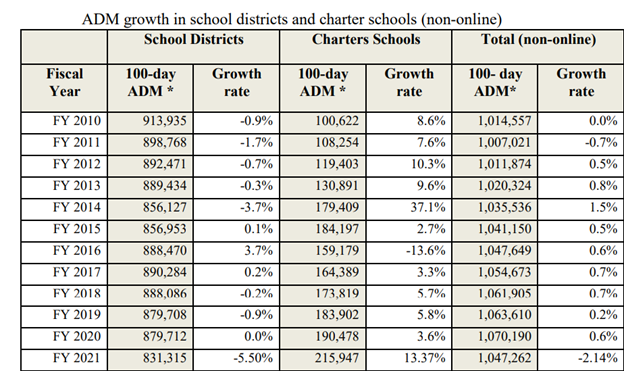
Between a Baby Bust that shows no sign of relenting, continued charter school enrollment growth and new kid on the block Universal ESA, you might think that Arizona school districts would buckle down and focus on putting more resources into the classroom. You would however be entirely mistaken. Instead, districts are asking voters for billions of dollars in (you guessed it!) new school construction! More than $4.3 billion, to be precise.
The district I live in, Paradise Valley Unified School District, is going out for a half billion dollars in total bond debt. In 2013, the Arizona auditor general noted that the district had a physical plant space for 42,000 students, but only 32,000 students enrolled. Therefore, the auditor general recommended leasing vacant space:
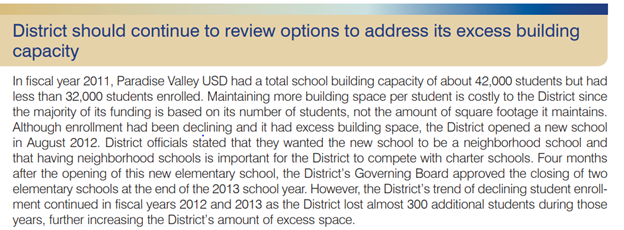
Paradise Valley Unified was down to 28,707 students in 2022. In the summer of 2023, the district announced the possibility of closing schools in response to enrollment decline. In the fall it will hold a bond election to take on an extra $558,716,667 in debt for the following purposes:
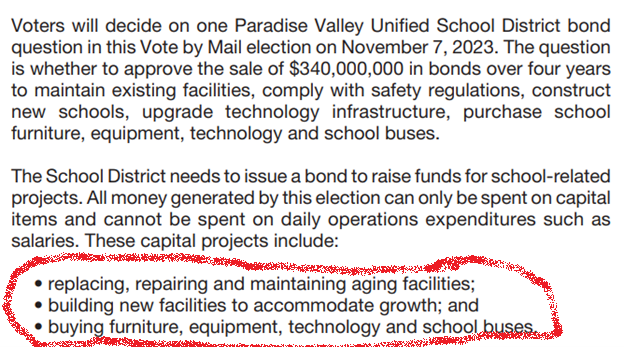
The solution to a district with space for 42,000 students but fewer than 29,000 students would be to retire aging facilities rather than replace or repair them. The district’s enrollment has declined by 18% since the year 2000, making the notion that the district needs to “accommodate growth” odd.
Right about now you might be wondering, “what’s going on here?” The Arizona Center for Investigative Reporting provided an important clue in 2017 when it found that district bond campaigns are often 100% financed by school construction firms. Like the construction of ghost cities in China, politics and cronyism rather than necessity drive these bonds.
When the Baby Boomers moved on to college and careers and were replaced by Baby Busters, many schools closed. Today, we see schools remaining either under-used or vacant. Arizona policymakers should require all future bond elections to be held on the uniform election date in even-numbered years and should consider creating a base-closing commission to get zombie schools out of district backlogs and into some sort of productive use.
Some people claim that there is school choice to blame, but we know, it’s all Randi’s fault.
The nonprofit research organization Northwest Evaluation Association, also known as NWEA, released an analysis recently called Education’s long COVID: 2022–23 achievement data reveal stalled progress toward pandemic recovery showing that students suffered a pronounced slowing of academic growth during the 2022-23 school year. This is incredibly sad but not incredibly surprising; kids that don’t learn to read during their K-3 window tend to fall further and further behind grade level as they age through the system. Such students grow increasingly frustrated and tend to begin dropping out of school entirely starting in late middle school. In addition, following the example of many adults, legions of students seem to have developed the idea that school attendance is optional.
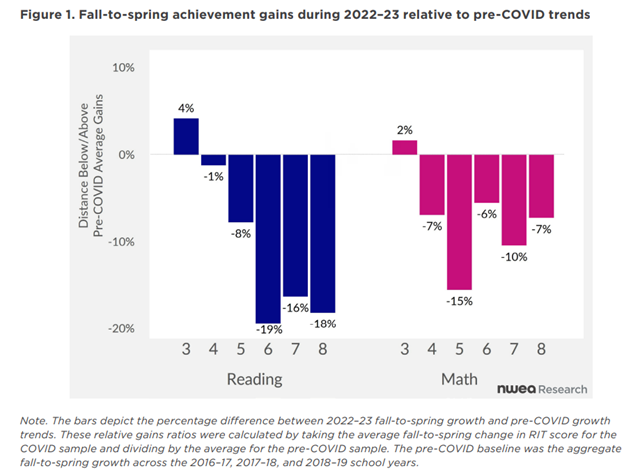
The key thing to appreciate about the above chart would be the school year: 2022-23, post-COVID shutdowns and during the period in which the federal government literally gave schools more money than they could figure out what to do with. If you are waiting for an academic bounce back or delayed reaction recovery, stop being silly: it’s not in the cards. If they create a Pulitzer Prize for understated headlines, the New York Times is in the running with this recent gem:
Schools Received Billions in Stimulus Funds; It May Not be Doing Enough
How are all those billions of dollars in K-12 education funds being spent as un-remediated students fall ever further behind grade level work? The Times very helpfully supplies examples:
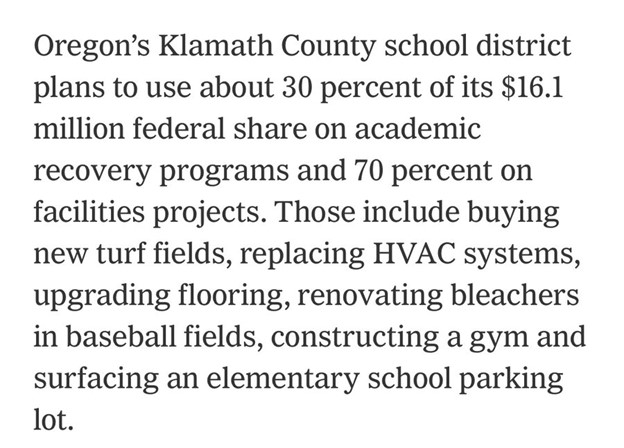
The districts have it coming and going: their ZOOM-school era kids are likely to begin dropping out in higher numbers. Year by year a baby-bust cohort of kindergarteners will replace the diminished cohorts exiting. Enrollment will shrink, but at least we’ll have those new baseball bleachers.
Years ago, a wildly mistaken group of people began talking about “peak oil.” Sometimes you’ll hear someone drop an ideological catchphrase like “late capitalism” as your cue to stop taking them seriously. “Peak school district enrollment” however is a thing, and it is a thing that lies in the past. Ironically, it lies in the past because the unions inflicted it upon themselves.
 Editor’s note: This analysis from Patrick Gibbons, manager for Policy and Public Affairs at Step Up For Students, is the second in a two-part series. You can read Part 1 here.
Earlier this month, the Southern Poverty Law Center, Education Law Center, Public School Funds, and the National Center for the Study of Privatization in Education teamed up to publish a report titled “The Fiscal Consequences of Private School Vouchers.”
The report concludes that vouchers have resulted in a decline in per-pupil funding to K-12 schools in the states where vouchers are active.
The analysis makes several flawed assumptions to reach those conclusions:
The SPLC report states “the decline in per-pupil funding in Florida cannot be attributed to economic duress.” The report blames vouchers instead.
Perhaps the SPLC forgot about the housing market crash.
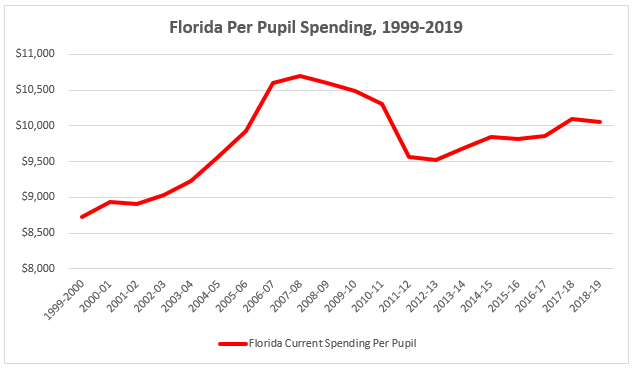
Like many states, Florida uses property taxes to help fund K-12 education. Florida’s red-hot housing market popped in 2006 with a global housing market crash. Despite the bankruptcies and collapsing housing values, Florida’s K-12 school system saw record-high per pupil spending in 2008.
*Data from the U.S. Department of Education’s Digest of Education Statistics and adjusted
to 2020 dollar values with the U.S. Bureau of Labor Statistics inflation calculator
After several years of inflated spending, it was clear those levels were not sustainable. Per-pupil funding then declined to the same inflation-adjusted amount as in 2006.
Worse still, Florida’s first voucher came about in 1999 with fewer than 100 students. Today, there are more than 250,000 tax credit scholarship, voucher, and education savings account students in the state. Despite this, public school funding is actually up $1,331 per pupil since 1999-2000.
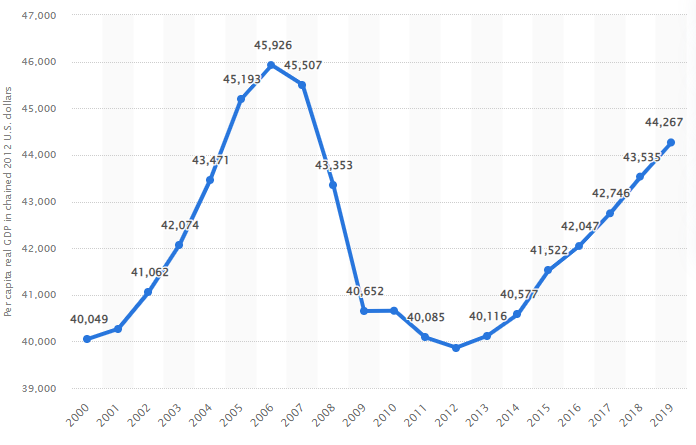
If that was not enough damage to the SLPC argument that vouchers, not economic challenges, are to blame, consider the fact that Florida’s per capita income cratered and never recovered as of 2019.
Per capita real Gross Domestic Product of Florida 2008-2019
*Source: Florida: per capita real GDP 2000-2019 | Statista
It’s also worth noting the SLPC’s and Education Law Center’s obsession with “spending effort” – which is really just spending as a percentage of the state’s gross domestic product – is useless.
Imagine defining your personal housing success as increasing your housing expenses as fast or faster than your wages, regardless of whether the quality of your housing actually improved.
In fact, there doesn’t appear to be any correlation with “spending effort” and education quality as defined by the most recent Education Week’s Quality Count’s K-12 Achievement rankings.
States in the Top 10 for “spending effort” spent $18,169 per pupil on average and averaged a C-minus with a score of 72.43 on Education Week’s achievement ranking.
States in the Bottom 10 for “spending effort” spent $9,871 per pupil and averaged a C-minus with a score of 73.14.
Those high-effort states spend twice as much to get roughly the same result (albeit ever so slightly worse).
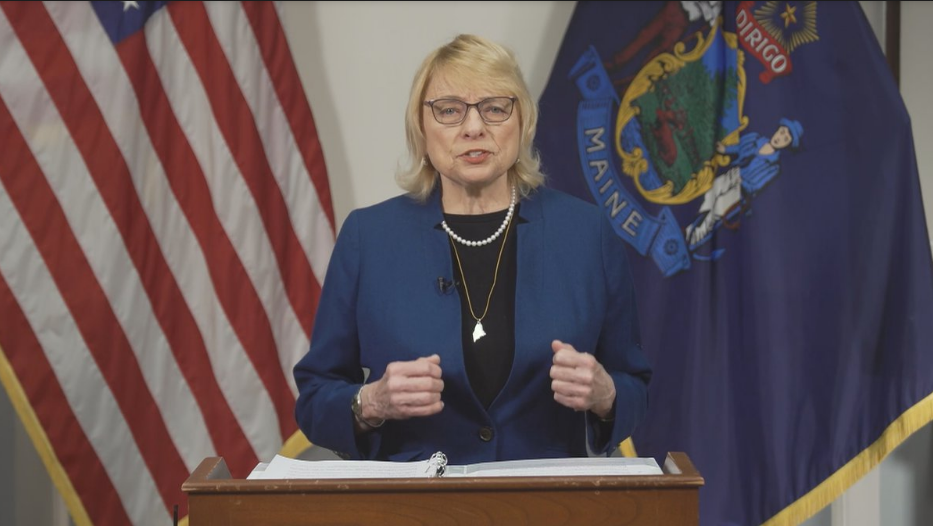
While the subject of school choice was largely absent in Maine Gov. Janet Mills’ recent bid for re-election, her platform emphasized her belief that all children deserve equal access to the same opportunity to attend quality schools, regardless of where they live.
This analysis appeared Wednesday on the 74million.org.
The COVID pandemic — the topic that has dominated education conversations for the past three years — is largely missing from the State of the State addresses that governors are delivering to their legislatures this winter.
Instead, state leaders are using their bully pulpits to call for bigger investments in early learning and in the transition into the workforce and college. They are supporting better pay for public school teachers while pushing for public money to flow to private schools, which could ultimately make it more difficult to fund public school pay increases.
FutureEd analyzed 39 governors’ speeches and partnered with The 74 to convert our analysis into a series of interactive maps. We found that despite the academic gaps exposed in last year’s National Assessment for Educational Progress scores, there was surprisingly little talk of learning loss and efforts to catch students up.
There was also little explicit “culture war” rhetoric around teaching racial history or banning books — and more lofty talk about the value of education.
“Education is a great equalizer in our society,” said Democratic Gov. Janet Mills in her Feb. 14 address to the Maine legislature. “Every child, regardless of where they live, deserves a world-class education that will prepare them for a successful adulthood.”
Here are some of the topics trending among the nation’s governors this year:
Teaching profession
The teaching profession was a top priority across party lines, with 20 governors discussing ways to improve pay and support educators. Most of those governors proposed raising salaries, largely in response to shortages in their states but also as a way to recognize the important role teachers play.
In Kentucky, Democratic Gov. Andrew Beshear is supporting an across-the-board 5% pay hike, which he called “both vital and necessary to address Kentucky’s shortage of nearly 11,000 public school teachers.”
Idaho Republican Gov. Brad Little also pledged to increase salaries — both for starting teachers and for all instructors — by an average of $6,300 annually because “students and their families deserve quality teachers who are respected and compensated competitively.”
To continue reading, click here.

